Spatial Audio Systems Deliver Positional Cues in Competitive Team Shooters
Jakob Foster · Sep 13, 2026
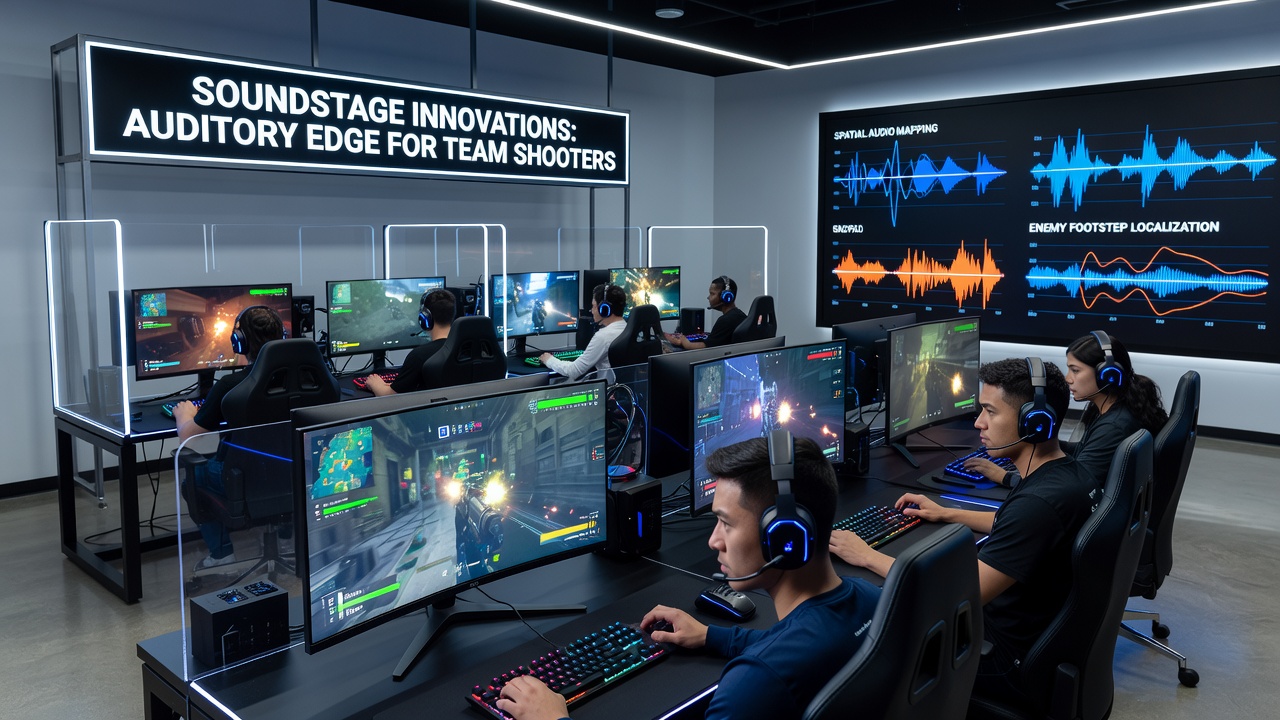
Spatial Audio Systems Deliver Positional Cues in Competitive Team Shooters
Soundstage innovations in gaming hardware and software have expanded the range of auditory information available to players in fast-paced team shooters, where distinguishing between multiple sound sources determines positioning and response times. Manufacturers have integrated head-related transfer function processing and multi-channel rendering into headsets and in-game engines, which simulate three-dimensional sound fields rather than relying on traditional stereo panning.
Core Technologies Behind Modern Soundstage Rendering
Head-related transfer function profiles map how sound waves interact with the human ear and head shape, allowing software to adjust frequency and timing for each listener; developers at companies producing titles such as Counter-Strike 2 and Valorant have incorporated customizable HRTF options that players calibrate through short calibration sequences. These adjustments create the perception of sounds originating from specific elevations and azimuths, including overhead cues from thrown utilities or vertical movement on maps with multi-level architecture.
Simultaneous advancements in virtual surround processing use algorithms that decode game audio into higher-order ambisonics before down-mixing to stereo headphones, and data from the Audio Engineering Society shows increased adoption of these methods across professional circuits since 2023. Players receive layered audio streams that separate footsteps, weapon fire, and environmental effects into distinct spatial positions, reducing masking effects that occur when multiple sounds occupy the same frequency range in flat stereo mixes.
Application in High-Speed Team Environments
In matches where teams coordinate through voice communication while tracking enemy locations, precise auditory placement allows individuals to call out enemy positions based on sound alone before visual confirmation occurs. Tournament data collected during events leading into September 2026 indicates that squads using calibrated spatial audio systems reported higher accuracy in pre-aiming around corners after hearing directional indicators, particularly on maps featuring long sightlines interrupted by cover.
Research from the University of Melbourne's auditory perception laboratory examined reaction times among trained participants exposed to simulated shooter audio, revealing measurable differences when HRTF-enabled rendering replaced standard stereo output. The study tracked eye movement and input device activation, confirming that participants oriented toward the correct quadrant faster under spatial conditions without changes in overall cognitive load.
Hardware and Software Integration Trends
Headset designs now include multiple MEMS microphones paired with real-time processing chips that apply individualized filters derived from ear scans or user-selected presets, and several brands have released companion applications that import these profiles directly into supported game titles. Software updates rolled out in mid-2025 extended support for dynamic head tracking via embedded gyroscopes, which shift the virtual soundstage in response to slight head movements and maintain consistent front-back orientation during rapid turns common in close-quarters combat.
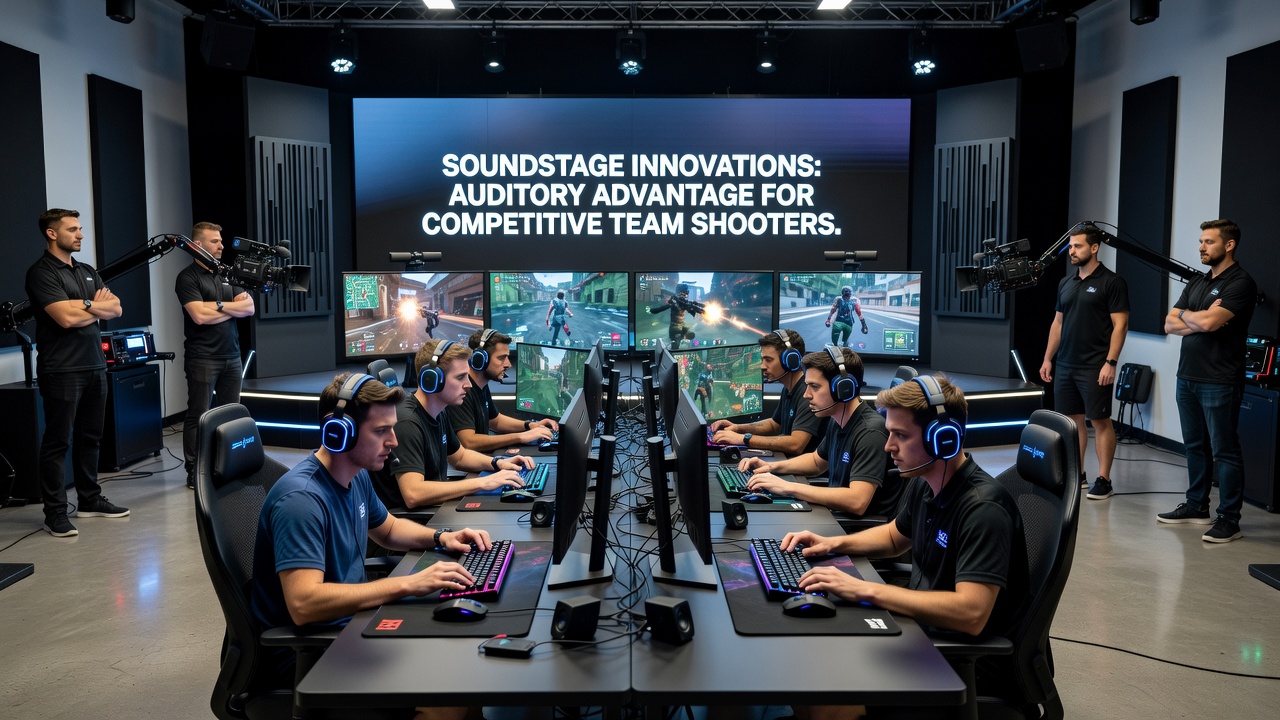
Game engines have adopted middleware solutions such as Steam Audio and Microsoft Spatial Sound that expose parameters for occlusion, reflection, and diffraction; level designers adjust material properties so that sound propagation behaves consistently across different map sections, giving attentive players reliable cues about whether an opponent occupies an adjacent room or a distant hallway. Observers at international events note that teams have begun incorporating audio-specific drills into practice routines, where players practice identifying and verbalizing positions from recorded gameplay soundscapes.
Measurement of Performance Impact Across Regions
Industry reports compiled by the European Games Developer Federation document a steady increase in the percentage of professional rosters specifying spatial audio hardware requirements in equipment contracts, with figures rising from 42 percent in 2024 to 67 percent by early 2026. Similar patterns appear in North American collegiate circuits, where institutions now allocate budget lines for audio calibration tools alongside traditional peripherals.
These shifts coincide with engine-level changes that allow servers to transmit additional audio metadata, reducing client-side computation while preserving directional accuracy even under high packet loss conditions common during large online qualifiers. Players who compete across platforms benefit from cross-compatible rendering standards that maintain consistent cue presentation whether matches occur on dedicated PCs or hybrid console setups.
Conclusion
Soundstage innovations continue to evolve through combined progress in signal processing, user calibration methods, and engine-level audio simulation, supplying competitive team shooter participants with expanded positional information that integrates into existing decision-making frameworks. As calibration tools become more accessible and middleware support widens, additional player groups gain exposure to these systems ahead of major events scheduled through September 2026 and beyond.